
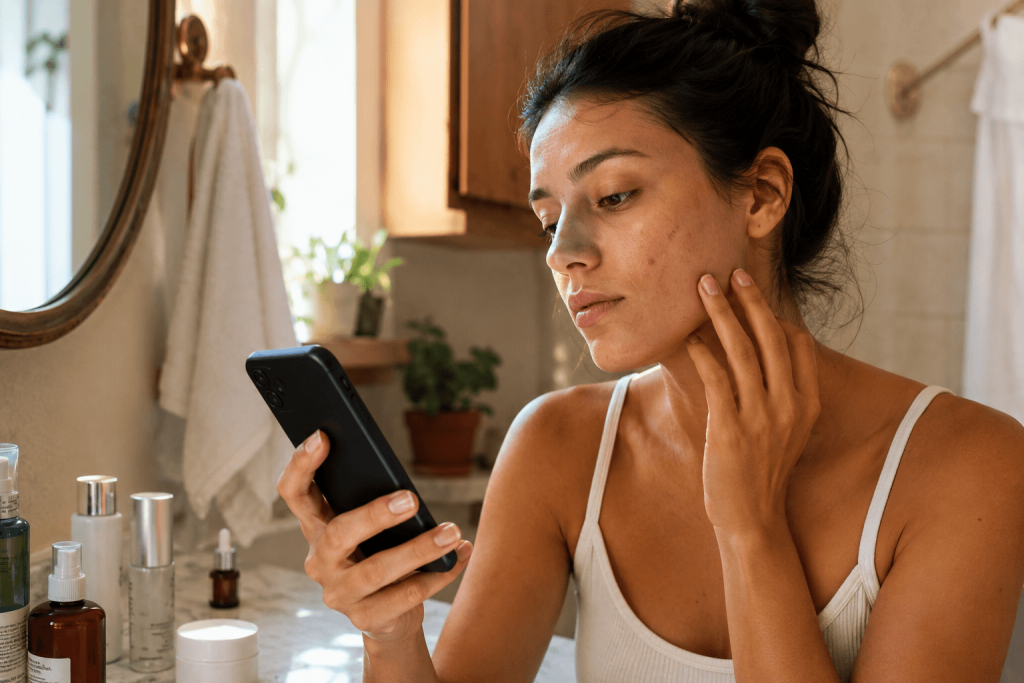
The pore clogging checker app play store rating is only useful if the app also proves it can read ingredient lists accurately. ReadLabel is built for that exact job, so you can judge the Google Play reviews and then decide whether to install it.
What a good Play Store rating should tell you
A strong Play Store rating is a useful trust signal, but it is not proof that an app is accurate. The best app ratings usually reflect a mix of speed, reliability, and whether people feel the results actually help them choose acne-safe products.
When you review an ingredient checker app, look for these signals:
- A steady stream of recent user reviews and testimonials
- Comments about scan speed and ingredient recognition
- Mentions of helpful acne-focused results
- Signs that the app is easy to use on Android
- Feedback about whether the results feel trustworthy, not just pretty
Ratings matter most when they match real workflow. If people say an app helps them check comedogenic ingredients quickly, that is more useful than a generic five-star score.
Why ratings alone do not prove trustworthiness
A high rating does not guarantee the app checks ingredients correctly. Some apps get praise for design or simplicity while still missing INCI ingredient lists or giving shallow results.
For a pore-clogging checker app, trust depends on more than stars. You want clear methodology transparency, frequent updates, and a database that can recognize ingredient names even when they appear in different formats.
That is why the smartest way to judge an app is to ask:
- Does it read the actual ingredient list from a photo?
- Does it flag potentially pore-clogging ingredients in plain language?
- Does it feel fast enough to use while shopping?
- Does it make sense for acne-prone skin users, not just general skincare shoppers?
If the answer to those questions is yes, the rating becomes much more meaningful.
Why ReadLabel is built for Android shoppers who want a fast check
ReadLabel is a mobile-first skincare ingredient checker made for people who want to answer one question fast: will this clog my pores? It works by scanning ingredient lists from a photo, so you can check a product in seconds.
That matters because many skincare apps rely on product databases or barcode lookups. ReadLabel reads the label itself, which means it can analyze more products and is not limited to items already indexed somewhere else.
What users get from that workflow:
- Fast ingredient review from a camera photo
- Support for uploaded ingredient-list photos
- Clear flags for potentially pore-clogging ingredients
- Simple results that fit an Android shopping workflow
- A better fit for people who want an acne safe skincare app experience
If you want the broader page on how the checker works, see the pore clogging checker.
How to use ReadLabel to check a product before you download or buy
You can use ReadLabel in the same way you would use a pore clogging ingredient checker in store or at home. Open the app, scan the ingredient list, and review the flagged ingredients before you commit.
Typical use cases include:
- Checking a cleanser before adding it to your routine
- Reviewing a moisturizer for hidden pore cloggers
- Checking sunscreen before a trip or new routine
- Screening makeup when you want a non comedogenic checker app style result
- Rechecking a product after a formula change
This is especially helpful for shoppers who search for a skin ingredient scanner app rating and want something that actually fits a real buying decision.
Trust signals to look for before you install any ingredient checker app
If you are comparing google play skincare ingredient app reviews, focus on the signals that predict usefulness. The rating alone is not enough.
Look for these trust markers:
- Database quality: Can the app recognize a wide range of label formats?
- Update frequency: Does it appear current and actively maintained?
- Privacy / data safety: Does the app explain how your data is handled?
- Scan workflow: Is it easy to use with one hand on mobile?
- Acne-focused interpretation: Does it help users who care about breakouts, not just general beauty scores?
These signals matter more than a generic star average because they affect whether the app will actually help you avoid products that might break you out.
What ReadLabel reviews should make you look for
When users leave ReadLabel app reviews, the most helpful comments usually mention practical value. That includes fast scanning, readable results, and whether the app helped them feel more confident about a product.
Useful review themes include:
- “It helped me check products faster”
- “I can scan a label and decide quickly”
- “The results make sense for acne-prone skin”
- “It is easier than reading long ingredient lists myself”
These comments show the app is useful in the real world. They are more informative than vague praise.
Who this app is for
ReadLabel is a strong fit if you are any of the following:
- Acne-prone and trying to avoid breakouts
- Searching for a comedogenic ingredient checker app
- Looking for a faster mobile workflow than websites
- Tired of guessing whether a product is acne safe
- Ingredient-aware and want a quick screening tool on Android
It is especially useful for shoppers who distrust marketing claims and want a simple answer before buying.
Android availability and install intent
If you are searching from Google Play, the goal is simple: find an app you can trust enough to install. ReadLabel is designed for Android users who want fast scanning, clear results, and an easy checkout-style decision before buying skincare.
That makes it a good fit for bottom-funnel searches like pore clogging checker app reviews, ingredient checker app Google Play, and download pore clogging checker app.
Try ReadLabel now
If you want a mobile-first app that checks ingredient lists quickly, ReadLabel is worth reviewing on the Play Store. Scan a label, check the result, and decide with more confidence before you buy.
Start with the app, read the reviews, and try the scan workflow for yourself.
FAQ
Is there an app to check if skincare ingredients clog pores?
Yes. ReadLabel is an app that scans ingredient lists from photos and flags potentially pore-clogging ingredients so you can make a faster buying decision.
Which ingredient checker app is most accurate?
The most accurate app is the one that reads the actual label, recognizes ingredient names reliably, and explains results clearly for acne-prone users. ReadLabel is built around photo-based ingredient scanning for that reason.
Are skincare ingredient scanner apps reliable?
They can be reliable, but only if the database, scan accuracy, and update process are strong. A good rating helps, but it should be paired with clear methodology and real user feedback.
How can I check if a product has pore-clogging ingredients?
Scan the ingredient list with ReadLabel and review the flagged ingredients before you buy. That is faster than trying to interpret the label yourself.
What is a good app for acne-safe skincare products?
A good app for acne-safe shopping should be fast, easy to use on mobile, and focused on breakout risk. ReadLabel is designed for that workflow and works well for shoppers who want quick ingredient checks.