
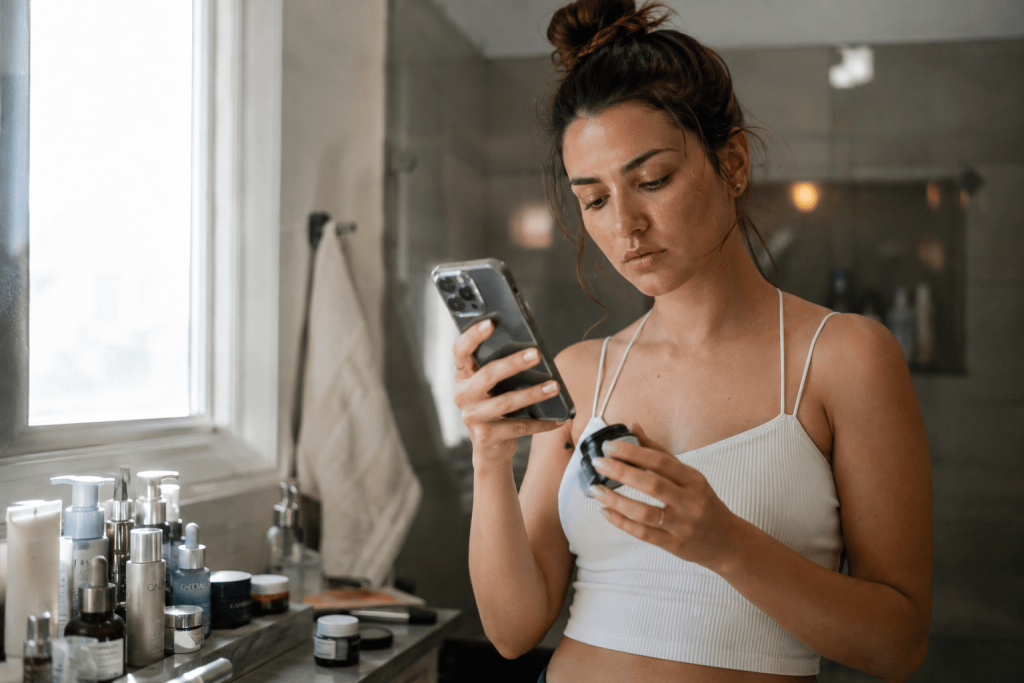
The eye cream comedogenic checker in ReadLabel helps you quickly see whether an eye cream may contain pore-clogging ingredients. It is built for people who want a fast answer to “will this clog my pores?” before buying or applying a product around the eyes.
Check an eye cream by product name or ingredient list
ReadLabel lets you scan an eye cream ingredient list from a photo and get a plain-language risk check fast. You can use it on a product you already own or one you are considering buying.
Use it when you want to:
- check an eye cream ingredient checker result before purchase
- spot hidden pore cloggers in a rich formula
- compare a product against your usual acne-prone skin concerns
- get a quick eye cream scan on mobile without digging through labels
If you already know your broader clogging concerns, you can also use the main pore clogging ingredients checker for other skincare products.
Why eye creams deserve a separate checker
Eye creams sit on a high-concern area. A formula that looks harmless on a face cream can still feel too heavy near the eyes for some users.
That is why ReadLabel frames results around milia and clogged pores near the eye area, not just generic product safety.
This matters if you:
- get tiny bumps after rich creams
- break out around the orbital area
- want a pore-safe eye cream checker before trying a new product
- prefer a non-comedogenic routine that feels lighter on skin
What the checker flags in an eye cream
ReadLabel flags ingredients that may raise comedogenicity concerns in a formula. It gives you a clearer view than memorizing every name on the INCI list.
You may see risk flags for formulas that include common textures or base ingredients users often worry about, such as:
- heavier emollients
- waxes and thickening agents
- rich occlusive ingredients
- dense balm-like bases
That does not mean every rich eye cream is bad. It means the formula deserves a closer look if your main concern is eye cream breakouts checker risk.
Milia, clogged pores, and eye-area breakouts are easy to confuse
People often use milia and clogged pores interchangeably, but they are not the same thing. The result is usually the same for shoppers: they want a safer eye cream.
ReadLabel helps by focusing on the practical question: does this formula look likely to cause congestion for your skin type?
That makes it useful if you are searching for:
- can eye cream cause milia
- eye cream causing milia
- clogged pores eye cream checker
- eye cream acne safe checker
Comedogenic, irritating, and allergenic are not the same
A formula can be comedogenic, irritating, or allergenic for different reasons. ReadLabel is designed to help you spot pore-clogging risk first, which is the main reason many people avoid certain eye creams.
That distinction matters because:
- a product can feel heavy without causing irritation
- a product can sting without clogging pores
- a product can be fine for one person and not for another
This is why a comedogenic eye cream checker is better than relying on marketing claims alone.
Why a database-backed scan is better than guessing
Memorizing ingredient names is slow and unreliable. A database-backed scan gives you a faster decision when you are standing in a store or checking a product online.
ReadLabel is useful because it:
- reads the actual ingredient list from a photo
- highlights possible pore-clogging ingredients in plain language
- works as a mobile-first eye cream ingredient scan
- gives quick buyer support for cosmetic products
That is especially helpful when a brand says non-comedogenic but you still want to verify the formula yourself.
How to use ReadLabel on an eye cream label
Using the checker is simple. You do not need to decode the formula by hand.
- Open ReadLabel.
- Take a photo of the ingredient list or upload one.
- Let the app extract the INCI list.
- Review the pore-clogging risk flags.
- Decide whether the eye cream looks worth trying.
If you are comparing products, scan more than one formula and see which one looks lighter for your skin.
Common eye cream formulas people worry about
Some eye creams are more likely to make users nervous because they feel richer or more occlusive. ReadLabel helps you check those formulas fast instead of guessing from the front label.
People often search for:
- non comedogenic eye cream checker
- eye cream pore clogging checker
- milia-safe eye cream checker
- eye cream non comedogenic
If a product feels heavy, waxy, or overly rich, it is worth scanning before you commit.
Why ReadLabel fits this search better than a generic tool
Tools like CosDNA, INCIDecoder, and Sezia can be useful, but they are often broader or more educational than a product-focused eye cream checker. ReadLabel is built for fast ingredient-list scanning with a clearer focus on whether a product may clog pores.
That makes it a strong fit if you want:
- a quick answer, not a long ingredient essay
- clearer pore-clogging flags for an eye cream
- a simple scan before you buy or apply
- a result that feels useful on mobile
Try the fastest eye cream check before you use it
If you are unsure whether an eye cream is acne safe or likely to contribute to congestion, scan it first. ReadLabel gives you a quick, no-login-style decision aid with a free trial available, so you can check a formula before it becomes a problem.
FAQ
What does comedogenic mean for eye cream?
Comedogenic means a product or ingredient may contribute to clogged pores for some people. In eye cream, that usually matters because the skin around the eyes can react badly to richer formulas.
Can eye cream clog pores or cause milia?
Yes, some eye cream formulas can contribute to milia or clogged-pore concerns for some users. The risk depends on the full formula and your skin type.
How do I know if my eye cream is comedogenic?
Scan the ingredient list in ReadLabel and look for pore-clogging risk flags. That is faster than trying to judge the formula by the product name alone.
What eye creams are non-comedogenic?
A non-comedogenic claim is a useful starting point, but it is not a guarantee for every skin type. The safest way to check is to scan the actual ingredient list before using the product.
Can rich eye creams cause breakouts around the eyes?
Yes. Rich or heavy formulas can sometimes lead to congestion or bumps around the eye area, especially for acne-prone users.
Is there a tool to check if skincare ingredients clog pores?
Yes. ReadLabel is built to scan ingredient lists and flag potential pore-clogging ingredients quickly, including for eye creams and other skincare products.